

Bunions and Bunion Surgery in Bridgewater NJ

Relieve Bunion Pain and Move Comfortably Again

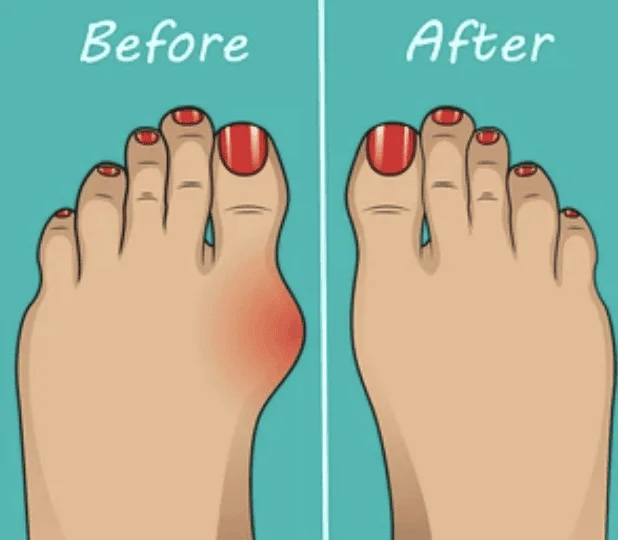
Bunion correction before and after

Bunions can cause pain, swelling, and limited movement of the big toe. PS Foot and Ankle explains the causes, symptoms, and surgical options that help realign the joint and restore foot function.

Bunions are a common foot condition that can cause discomfort and inconvenience for many individuals. While they may seem like a mere cosmetic issue, bunions can lead to significant pain and mobility limitations if left untreated for a long time. Bunion surgery, also known as bunionectomy, is often considered a viable solution for individuals experiencing severe symptoms. Below, we delve into the details of bunions, their causes, symptoms, and the various surgical options available to alleviate the condition.

Understanding Bunions

A bunion is the migration of the first metatarsal bone that causes the joint to protrude outward. This deformity typically occurs when the big toe pushes against the next toe, forcing the joint of the big toe to enlarge and protrude. While the exact cause of bunions is not always clear, several factors contribute to their development, including genetics, wearing tight or ill-fitting shoes, an increased pronatory gait pattern, and certain foot conditions like arthritis.

Symptoms of Bunions

Bunions can manifest in various symptoms, including:

  1. Pain or soreness: Individuals with bunions often experience pain and tenderness around the affected big toe joint, especially when walking or wearing tight-fitting shoes.
  2. Inflammation and redness: The bunion area may become swollen and inflamed, leading to discomfort and difficulty wearing shoes.
  3. Limited mobility: As the bunion progresses, it can restrict the movement of the big toe, making it challenging to perform regular activities like walking or exercising with notable pivoting, ballistic, or propulsive activity.
  4. Corns and calluses: Bunions can cause friction against footwear, resulting in the formation of corns and calluses on the affected toe.

Bunion Surgery

Bunion surgery is typically recommended for individuals who experience persistent pain and difficulty performing daily activities due to their bunions. The primary goals of bunion surgery are to realign the affected joint, relieve pain, and improve foot function. There are many surgical techniques available, and the choice depends on the severity of the bunion and the patient's unique needs. The best decision is made with your board certified podiatrist, as they can best understand the nature and etiology of your specific bunion and offer solutions that can help prevent long term recurrence and allow you to continue your lifestyle. Some common types of bunion surgeries include:

  1. Osteotomy: In this procedure, the surgeon cuts and realigns the bone to correct the deformity of the big toe joint.
  2. Arthrodesis: Also known as fusion, this procedure involves fusing the bones of the affected joint to stabilize it and alleviate pain.
  3. Exostectomy: This surgical method involves removing the bony bump or protrusion from the joint without altering the bone alignment. It is typically reserved for the elderly population who are unable to accommodate a full rehabilitation period.

Recovery and Rehabilitation

Following bunion surgery, patients typically undergo a period of recovery and rehabilitation to promote healing and restore foot function. The recovery process may involve wearing a protective boot or cast, keeping weight off the affected foot, and performing prescribed exercises to strengthen the foot muscles and improve flexibility.

Bunions can significantly impact an individual's quality of life, causing pain, discomfort, and mobility limitations. While conservative treatments such as wearing proper footwear and using orthotic devices can help manage mild symptoms, bunion surgery may be necessary for severe cases. By understanding the causes, symptoms, and available treatment options for bunions, individuals can make informed decisions about their foot health and seek appropriate medical care when needed. If you are experiencing persistent foot pain or notice signs of a bunion, consult with a board certified healthcare professional for evaluation and treatment recommendations. Dr. Sanghvi is trained in the latest techniques and modalities for bunion correction. Seek a consultation and discuss your options.

Get a Personalized Plan for Your Bunion

If a bunion is causing pain or limiting your activities, the team at PS Foot and Ankle in Bridgewater, NJ can evaluate your foot and discuss conservative care and surgical options suited to you.

Frequently Asked Questions

What is a bunion?

A bunion is the migration of the first metatarsal bone that causes the joint to protrude outward. It typically occurs when the big toe pushes against the next toe, forcing the joint of the big toe to enlarge and protrude.

What causes bunions?

The exact cause is not always clear, but several factors contribute to bunion development, including genetics, wearing tight or ill-fitting shoes, an increased pronatory gait pattern, and certain foot conditions like arthritis.

What are the symptoms of a bunion?

Bunions can cause pain or soreness around the affected big toe joint, especially when walking or wearing tight-fitting shoes. The area may also become swollen and inflamed, mobility of the big toe can become limited, and friction against footwear can lead to corns and calluses.

When is bunion surgery needed?

Bunion surgery is typically recommended for individuals who experience persistent pain and difficulty performing daily activities due to their bunions. The goals of surgery are to realign the affected joint, relieve pain, and improve foot function.

What are the common types of bunion surgery?

Common procedures include osteotomy, where the surgeon cuts and realigns the bone; arthrodesis, also known as fusion, which fuses the bones of the affected joint to stabilize it; and exostectomy, which removes the bony bump without altering the bone alignment. The right choice depends on the severity of the bunion and the patient's unique needs, and is best decided with a board certified podiatrist.

Call PS Foot & Ankle 732-443-3975