

Diabetic Foot Care
Daily Diabetic Foot Care: A Simple Routine to Protect Your Feet
Quick answer: Check your feet every day for cuts, blisters, sores, redness, swelling, drainage, or other changes. Wash with warm—not hot—water, dry carefully, moisturize away from the spaces between the toes, and wear protective footwear. Contact a healthcare professional promptly about a new wound, infection sign, or change in feeling, color, or temperature.
Daily foot care is an important part of living with diabetes. Diabetes-related nerve damage can reduce feeling in the feet, while reduced blood flow can make an injury harder to heal. That means a blister, cut, or skin change may need attention even when it does not hurt.
The goal of a home routine is simple: notice changes early, protect the skin, and know when to call a healthcare professional. It cannot guarantee that an ulcer or infection will never occur, and it does not replace foot exams or individualized medical advice.
A Simple Daily Diabetic Foot-Care Checklist
Choose a time when you can see your feet clearly and make the same basic checks each day. If you cannot see or reach part of a foot, use a mirror or ask someone you trust to help.
- Look at the entire foot. Check the tops, soles, heels, sides, nails, and spaces between the toes.
- Notice what has changed. Look for cuts, cracks, blisters, redness, swelling, drainage, calluses, or changes in color or temperature.
- Wash gently. Use warm—not hot—water and mild soap. Do not soak your feet.
- Dry carefully. Pat the skin dry, including between the toes.
- Moisturize dry skin. Apply lotion to the tops and bottoms of the feet, but not between the toes.
- Put on clean socks and protective footwear. Avoid walking barefoot, including indoors.
The CDC recommends checking your feet every day, even when they feel fine, so changes can be evaluated early.
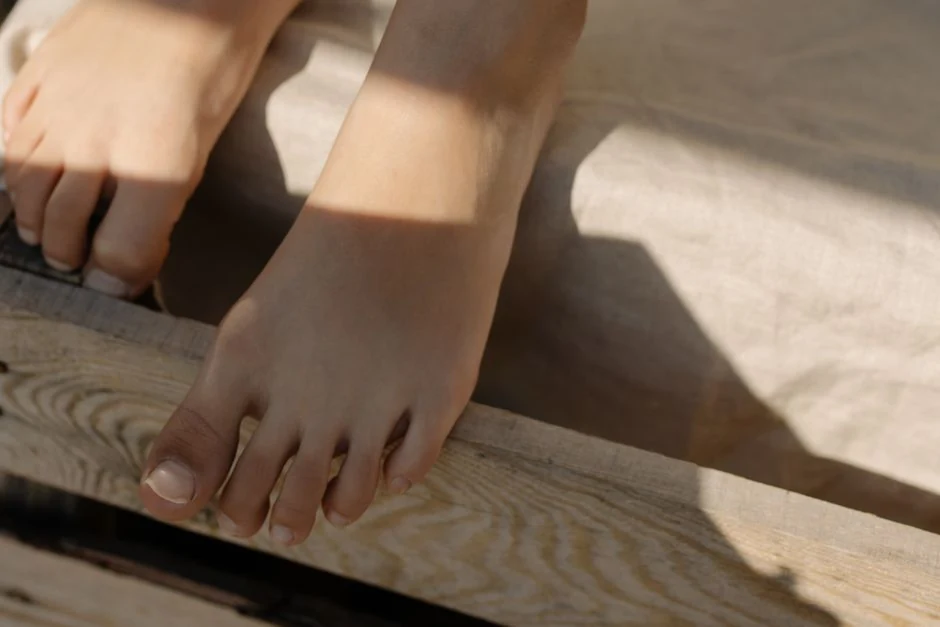
What to Look for During a Foot Check
Start by comparing one foot with the other and with what is normal for you. A small mirror can help you see the soles and heels. Pay attention to:
- A cut, scrape, blister, puncture, or open sore
- Redness, warmth, swelling, drainage, or an unusual odor
- Dry or cracked skin, especially around the heels
- A corn or callus that is new, changing, or discolored
- An ingrown, thickened, discolored, or damaged toenail
- New numbness, tingling, burning, pain, or loss of temperature sensation
- A change in foot shape, skin color, or skin temperature
Do not wait for a problem to become painful. Neuropathy can make pain an unreliable warning sign. Contact your regular doctor or foot doctor promptly about a new blister, sore, ulcer, infected corn, ingrown toenail, drainage, or signs of infection. Seek urgent medical care for rapidly spreading redness, severe swelling, fever, black or blue tissue, or another rapidly worsening change.
Wash, Dry, and Moisturize Without Damaging the Skin
Use warm rather than hot water, and avoid prolonged soaking. If you have reduced sensation, check the water temperature with an area of skin that has normal sensation or ask for help. Wash gently rather than scrubbing.
Dry thoroughly, particularly between the toes. Lotion may help protect dry skin on the tops and bottoms of the feet, but moisture trapped between the toes can encourage skin problems. If cracking persists, see our information about dry and cracked heels and ask a clinician what is appropriate for your skin.
Nail, Corn, and Callus Care
If your clinician has told you that trimming your own nails is safe, cut them straight across and gently smooth sharp edges. Do not dig into the corners. If you cannot see, reach, or safely trim a nail—or if you have poor circulation, loss of feeling, or a painful nail—ask a foot-care professional for help. Learn more about professional care for ingrown toenails.
Never cut, shave, or use medicated removal products on a corn or callus yourself. These approaches can injure or burn the skin and may hide pressure or a wound underneath. A podiatrist can evaluate corns and calluses and discuss ways to reduce pressure safely.
Socks and Shoes Are Part of the Routine
Wear clean socks and shoes or slippers that fit well, including indoors. Before putting on a shoe, feel inside for pebbles, rough seams, torn lining, or another object that could rub the skin. Check your feet after wearing new shoes and tell your clinician about persistent redness or pressure.
The American Diabetes Association advises choosing socks that fit without being too tight and that help manage moisture. Some people need specialized footwear, padding, or pressure relief, but those choices should be based on an individual foot exam rather than a one-size-fits-all rule.

Foot Exams Still Matter
Daily checks support—not replace—professional care. The CDC recommends a basic foot check at healthcare visits and a comprehensive foot exam at least yearly, with more frequent follow-up for some people based on nerve damage, circulation, prior ulcers, or other risk factors. Your diabetes care team can set a schedule that fits your needs.
During an exam, a clinician may assess skin and nails, feeling, blood flow, foot structure, footwear, and areas of pressure. If you are unsure how to inspect your feet or trim your nails safely, bring those questions to the visit.
When to Contact a Foot Doctor
Contact a healthcare professional promptly if you find an open sore, blister, ulcer, drainage, redness, warmth, swelling, an infected corn, an ingrown nail, a change in color or temperature, new numbness, or another change that concerns you. Do not self-treat an open wound or wait for your next routine visit to mention it.
PS Foot and Ankle can provide an in-person foot evaluation in Bridgewater, New Jersey. Schedule online or call 732-443-3975. If symptoms are severe or rapidly worsening, seek urgent medical care.
Frequently Asked Questions
How often should a person with diabetes check their feet?
Check your feet every day, including the soles, heels, nails, and spaces between the toes. Use a mirror or ask for help if part of the foot is difficult to see.
Can I soak my feet if I have diabetes?
The CDC advises washing feet in warm, not hot, water and not soaking them. Prolonged soaking can soften and damage the skin.
Should I put lotion between my toes?
No. Lotion can be used on dry skin on the tops and bottoms of the feet, but avoid putting it between the toes, where trapped moisture can contribute to infection.
Can I remove a corn or callus at home?
Do not cut a corn or callus or use an over-the-counter removal product without clinical guidance. These products and tools can injure the skin, particularly when feeling or circulation is reduced.
When should I call a doctor about a diabetic foot problem?
Call promptly about a blister, sore, ulcer, drainage, redness, warmth, swelling, infected corn, ingrown nail, new numbness, or a change in foot color or temperature. Seek urgent care for a severe or rapidly worsening change.
Sources
- CDC: Your Feet and Diabetes
- CDC: Promoting Foot Health
- American Diabetes Association: 8 Tips to Protect Your Feet with Diabetes
This article is for general education and is not medical advice or a diagnosis. Follow the individualized recommendations of your healthcare team.
Frequently Asked Questions
How often should I check my diabetic feet?
Check your diabetic feet once daily, ideally at the same time each evening. A five-minute inspection helps you catch blisters, cuts, redness, or swelling early, while problems are still small and manageable. Use a hand mirror for hard-to-see spots, and contact your provider if you notice anything concerning.
Why is daily diabetic foot care so important?
Daily diabetic foot care matters because high blood sugar can slowly damage nerves and reduce blood flow, turning a tiny cut into a wound that struggles to heal. Neuropathy may mask pain from a blister or pebble, while poor circulation can slow healing. A consistent routine helps you spot trouble early.
What water temperature should I use to wash diabetic feet?
Use lukewarm water to wash diabetic feet, never hot water. Because neuropathy can reduce sensation, hot water may cause burns you don't feel. Test the temperature with your elbow or a thermometer first, wash gently with a soft washcloth, and dry thoroughly, especially between the toes, to prevent moisture buildup.
Should I moisturize my feet if I have diabetes?
Yes, applying fragrance-free moisturizer daily may help prevent dry, cracked skin that can lead to infection. However, avoid putting lotion between your toes, where trapped moisture can encourage fungal growth. Talk to your doctor about products suited to your needs, and always inspect skin before and after moisturizing.
What are three things you should never do with diabetic feet?
Never soak your feet for long periods, never use hot water without testing it first, and never walk barefoot, even indoors. These habits may increase risks of burns, infection, or unnoticed injuries due to neuropathy. Also avoid cutting corns or calluses yourself; consult your provider for safe care instead.
What supplies do I need for a diabetic foot care routine?
You only need a few simple items: lukewarm water, a soft washcloth, a clean dry towel, fragrance-free moisturizer, a hand mirror for checking hard-to-see areas, and clean, moisture-wicking socks. These basics support a consistent daily routine. Always talk with your provider before changing any part of your foot care.
When should I see a podiatrist for diabetic foot problems?
See a podiatrist promptly if you notice a wound that won't heal, signs of infection like redness or swelling, numbness, or changes in skin color. Research suggests early professional care may prevent serious complications. Patients across Central New Jersey can schedule a foot evaluation with PS Foot and Ankle in Bridgewater, NJ.
Talk With Our Bridgewater Podiatry Team
A practical daily diabetic foot-care checklist: what to inspect, how to protect the skin, and when to contact a healthcare professional.