

Bunion Treatment
Bunion Surgery Recovery Time: A Week-by-Week Guide
Quick answer: Full bunion surgery recovery typically takes 3 to 6 months, though most patients walk in a surgical boot within a few weeks. Expect non-weight-bearing rest for days 1-3, suture removal around 2 weeks, boot use through roughly 6 weeks, and a return to supportive shoes and normal walking near 8 to 12 weeks. Timelines vary by procedure.
Bunion surgery recovery is not one-size-fits-all. The procedure used, the bones or joints corrected, fixation, X-ray findings, and Dr. Sanghvi's protocol all affect when you may bear weight, change shoes, drive, work, or return to exercise.
Quick answer: Bone healing commonly takes about 6 to 12 weeks, while strength, motion, comfort, and activity can continue improving for several months. The American Academy of Orthopaedic Surgeons notes that full recovery can take up to six months, and swelling may last longer. Treat the timeline below as a guide to questions and milestones, not permission to advance activity without Dr. Sanjna Sanghvi's clearance.
Why Bunion Surgery Recovery Times Differ
"Bunion surgery" describes more than one operation. An osteotomy cuts and realigns bone. A minimally invasive osteotomy performs correction through smaller incisions but still requires the bone to heal. A Lapidus procedure fuses the joint near the base of the first metatarsal and may require a longer period of protection. Learn more about bunion evaluation and treatment options, minimally invasive bunion surgery, and the Lapidus bunionectomy offered by PS Foot & Ankle.
Your plan may also be affected by whether the right or left foot was treated, your work demands, smoking, diabetes, circulation, other health conditions, and how closely weight-bearing and wound-care instructions are followed. A neighbor's recovery schedule should never replace the protocol written for your operation.
| Approximate phase | Common focus | What determines progression |
|---|---|---|
| Days 0–3 | Protect the correction, manage swelling, keep the dressing dry | Procedure and discharge instructions |
| Weeks 1–2 | Wound check, dressing care, continued protection | Incision healing and follow-up exam |
| Weeks 3–6 | Protected mobility; possible range-of-motion plan | Procedure, fixation, symptoms, and surgeon guidance |
| Weeks 6–8 | Imaging-guided consideration of more weight-bearing | Evidence of bone or fusion healing |
| Weeks 8–12 | Possible transition toward supportive shoes and routine activity | Swelling, strength, gait, and clearance |
| Months 3–6 | Strength, motion, endurance, and higher-level activity | Healing, rehabilitation, and type of activity |
| Months 6–12 | Continued improvement; residual swelling may settle | Individual healing response |
Days 0–3: Protect the Foot and Follow the Exact Weight-Bearing Order
The first few days usually focus on elevation, dressing protection, pain control, and safe mobility. Use the post-operative shoe, boot, crutches, walker, or knee scooter prescribed for you. Some bunion procedures allow protected weight-bearing early; others require no weight on the operated foot. Do not assume that smaller incisions mean unrestricted walking.
Elevate the foot as directed and use ice only according to the instructions you received. Keep the dressing clean and dry. Do not remove, loosen, or rewrap it unless the surgical team tells you to. Take only medications approved for you, and contact the office before adding an over-the-counter pain reliever because it may interact with another medicine or be unsuitable for a health condition.
Prepare your home before surgery
Clear loose rugs and cords, arrange commonly used items within easy reach, and practice using any prescribed mobility aid. Ask in advance how to manage stairs, bathing, and sleep. If you will need help with meals, children, pets, or transportation, arranging it before surgery makes it easier to protect the correction afterward.
Weeks 1–2: Incision Care and the First Follow-Up
Swelling and discomfort are expected during early healing, but the overall trend should be monitored. Continue the weight-bearing restriction, footwear, elevation, and dressing care specified by Dr. Sanjna Sanghvi. Do not soak the foot or apply creams, powders, or home remedies to the incision.
A post-operative visit commonly occurs within the first two weeks. The team may inspect the incision, change the dressing, remove sutures when appropriate, and review the next phase. Imaging is used according to the procedure and clinical findings. A calendar date alone does not prove that a bone or fusion is ready for more load.
Call instead of changing the dressing yourself
Contact the surgical team if the dressing becomes wet, loose, unusually tight, or soiled, or if drainage or odor develops. Prompt guidance can protect the incision and prevent a well-intended home adjustment from creating pressure or contamination.
Weeks 3–6: Continued Protection and Procedure-Specific Mobility
This is where recovery paths often look very different. Some osteotomy protocols permit protected weight-bearing in a boot or post-operative shoe. A Lapidus fusion commonly restricts full weight-bearing until healing is demonstrated. Follow the plan for your specific procedure even if pain has improved.
Your clinician may introduce gentle range-of-motion work or physical therapy, but timing varies. Starting exercises early is not automatically better. Ask which movements are appropriate, how often to perform them, and which symptoms mean you should stop.
What if the foot still swells?
Swelling can remain noticeable for weeks and may increase when the foot is down for longer periods. Continue the elevation, compression, or icing plan approved for you. Sudden or marked swelling, especially with calf pain, is different from expected day-to-day fluctuation and should be reported promptly.
Weeks 6–8: X-Rays May Guide the Next Step
Bone healing continues even when the incision looks closed. Around this phase, an exam and imaging may help Dr. Sanjna Sanghvi, your future podiatrist, decide whether you can place more weight through the foot, spend less time in a boot, or begin a different rehabilitation stage. If healing is not far enough along, extra protection is not a failure; it is part of preventing a setback.
The American Orthopaedic Foot & Ankle Society's Lapidus guidance explains that weight-bearing restrictions depend on Dr. Sanghvi's evaluation of your foot and evidence of healing. The same principle applies across bunion procedures: advance because the foot is ready, not because a particular week has arrived.
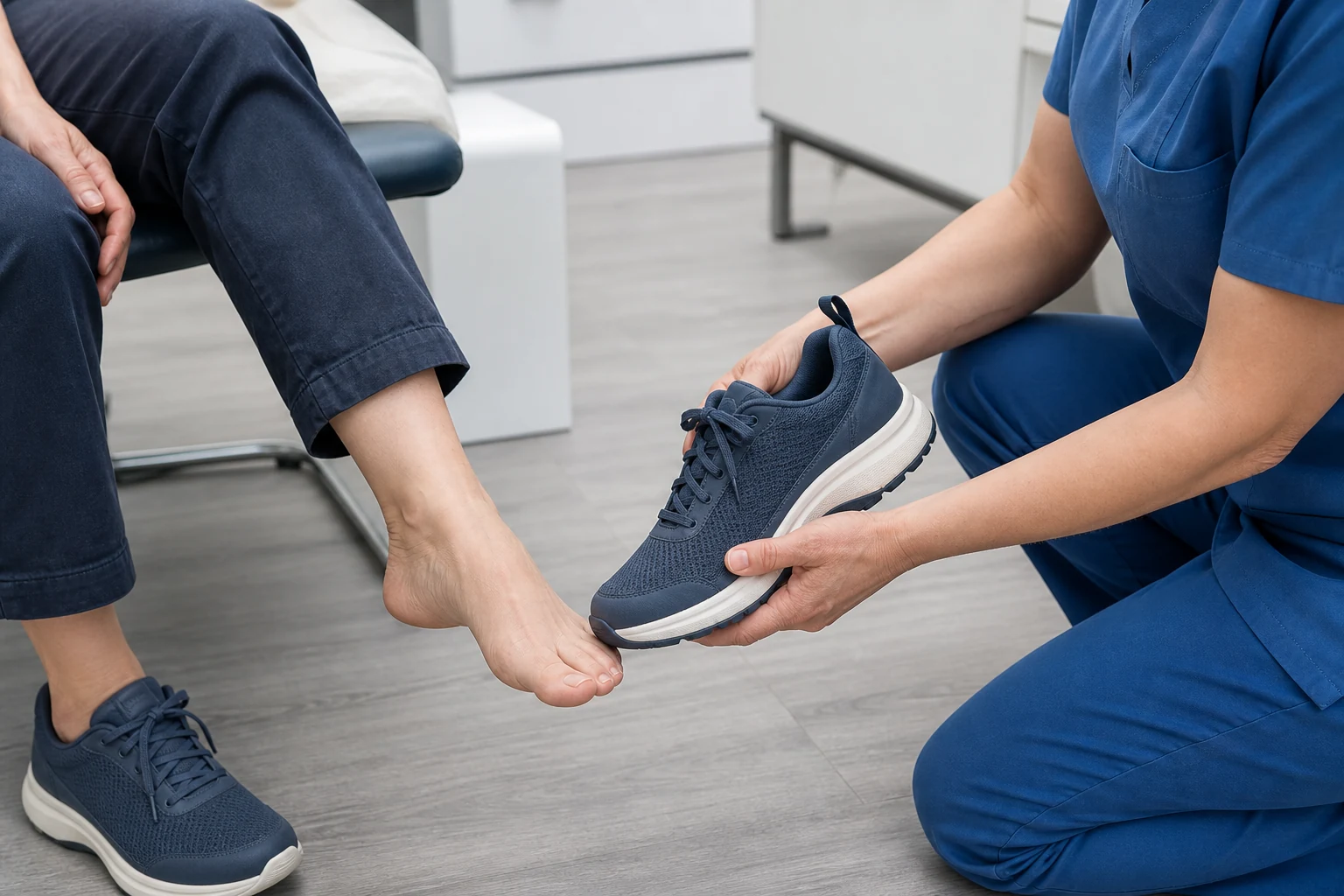
Weeks 8–12: Supportive Shoes, Driving, and Work: If Cleared
Some patients begin transitioning toward a wide, supportive shoe during this window, while others need a boot or post-operative shoe longer. Swelling, tenderness, gait, and the type of correction all matter. Tight or narrow footwear can be uncomfortable and may place unwanted pressure on the healing area.
When can you drive after bunion surgery?
There is no reliable date for everyone. Driving requires safe reaction time and the ability to brake firmly without pain or restriction. Right-foot surgery often delays driving longer than left-foot surgery. Do not drive while taking sedating medication, wearing a device that interferes with vehicle control, or before Dr. Sanghvi clears you. Check any insurer or licensing requirements that apply.
When can you return to work?
Desk work may be possible sooner if you can travel safely and elevate the foot. A job that requires standing, walking, lifting, climbing, or protective footwear usually needs more time or modified duty. Discuss the real physical demands of your job before surgery so documentation and restrictions can be planned.
Months 3–6: Rebuilding Strength and Returning to Exercise
By this stage, many patients are working on a more normal gait, strength, balance, and endurance. Low-impact exercise typically precedes running, jumping, or court sports. Your return should be based on healing, symptoms, and functional testing rather than the calendar alone.
The AAOS bunion surgery guide notes that full recovery can take up to six months. Cleveland Clinic describes bone healing as approximately 6 to 12 weeks and return to usual physical activity at around three months for some patients, while emphasizing that recovery varies. These ranges are useful for planning, not guarantees.
Months 6–12: Residual Swelling Can Outlast Functional Recovery
It is possible to be back in regular activities while the foot still looks or feels somewhat swollen, especially later in the day. Swelling can take many months to settle. Keep follow-up appointments and ask about footwear, activity progression, and any stiffness or sensitivity that limits function.
New or worsening swelling is not something to dismiss automatically. If the foot had been improving and then changes significantly, contact your clinician for advice.
Warning Signs During Bunion Surgery Recovery
Contact Dr. Sanghvi promptly for persistent fever or chills, worsening redness or warmth, drainage, escalating pain, a wet or loose dressing, new numbness, a concerning color or temperature change, or marked calf swelling or pain. Chest pain or shortness of breath warrants emergency care.
Other concerns may be specific to your procedure. Your discharge instructions should list whom to call after hours and what symptoms require urgent evaluation. When in doubt, contact the surgical team rather than changing weight-bearing, medication, or wound care on your own.
Plan Your Recovery With PS Foot & Ankle
The most useful recovery timeline is the one built around your bunion, procedure, health, work, and activity goals. Dr. Sanghvi at PS Foot & Ankle can explain the surgical and non-surgical options and what each may require after treatment.
Schedule a bunion evaluation with PS Foot & Ankle in Bridgewater
This article is for general education and does not replace your surgeon's instructions or individualized medical advice.
Sources
- American Academy of Orthopaedic Surgeons: Bunion Surgery
- American Orthopaedic Foot & Ankle Society: Lapidus Procedure
- American Orthopaedic Foot & Ankle Society: Minimally Invasive Surgery
- American College of Foot and Ankle Surgeons: Frequently Asked Questions About Bunion Surgery
- Cleveland Clinic: Bunion Surgery (Bunionectomy)
- Johns Hopkins Medicine: Bunion Surgery
Frequently Asked Questions
How long does bunion surgery recovery time take?
Full bunion surgery recovery typically takes about 3 to 6 months, though most patients walk in a surgical boot within a few weeks. Your timeline may vary based on the procedure, fixation method, and bone healing. Talk to our podiatrist - Dr. Sanjna Sanghvi about the recovery protocol that fits your specific situation.
When can I walk normally after bunion surgery?
Many patients transition into supportive shoes within a few weeks, but walking comfortably without a boot often takes several weeks to a few months. Bone healing and swelling control both influence progress. Follow your Dr. Sanghvi's weight-bearing instructions closely, as returning to normal walking too soon may delay recovery.
How long do you need to stay off your feet after bunion surgery?
Staying non-weight-bearing may last anywhere from a few days to several weeks, depending on your procedure and your Dr. Sanghvi's protocol. Crutches or a knee scooter help during this phase. Some Lapidus fusion procedures may require longer periods off the foot, so confirm your specific restrictions with your provider.
What affects bunion surgery recovery time?
Recovery time depends on the specific procedure, fixation method, bone healing rate, and your surgeon's protocol. Factors like swelling control, activity level, and overall health may also play a role. Because every foot heals at its own pace, no single timeline applies, so discuss your expected recovery with your surgeon.
Is bunion surgery recovery painful?
Bunion surgery recovery may involve discomfort, especially in the first days, but pain is often manageable with medication, ice, and elevation. Keeping your foot above heart level helps reduce swelling and soreness. Contact your doctor if pain worsens or feels unusual, as this may signal a concern needing attention.
What should I have ready before bunion surgery?
Prepare crutches or a knee scooter for staying non-weight-bearing, a surgical boot or protective post-op shoe, ice packs for swelling, and extra pillows to elevate your foot above heart level. Setting up these items before surgery makes the first restful days smoother. Ask your Dr. Sanghvi about any additional supplies you may need.
When can I return to exercise after bunion surgery?
Returning to exercise usually happens gradually over several months as bone healing progresses, with low-impact activity often introduced before higher-impact movements. Full recovery may take 3 to 6 months. Always get clearance from Dr. Sanghvi before resuming workouts, as returning too early may compromise your healing and correction.
Talk With Our Bridgewater Podiatry Team
Bunion surgery recovery varies by procedure and healing. Use this week-by-week guide to understand common milestones, restrictions, and warning signs.